

The NCAA recently passed a new age-based eligibility model for college athletes, doing away with the old system that had become a magnet for lawsuits and piles of waivers from athletes trying to game the system and play additional seasons.
This new model provides athletes with five years from the time they enroll in college or from the time of their 19th birthday. No more 24-year-old professional players entering college for the first time, nor will there be a string of endless injury or mental health waivers.
You get five years. No more, no less.
The implementation of these rules opened the door to some confusion, primarily in how current athletes will be impacted by these rules. In its press release about the new rule, the NCAA clarified exactly how current and future athletes’ eligibility will be affected.
Impact of new NCAA Eligibility Rules
| Athlete Situation | Impact From New Rules |
|---|---|
| Used final year of eligibility in 2025-26 | No additional eligibility granted |
| Current athlete with eligibility remaining beyond 2025-26 | Either the previous rules OR the new age-based model, whichever is most beneficial to the athlete. |
| Athletes who sign at any point during 2026-27 | Either the previous rules OR the new age-based model, whichever is most beneficial to the athlete. |
| Athletes who sign in fall 2027 or later | The age-based model only. |
Long story short, athletes currently enrolled will be allowed to take the best possible path. For many, nothing will change. Those who have already utilized a redshirt or an injury waiver won’t see any additional years. But for those who hadn’t done so, a fifth season is available to be used if they so desire.
With this in mind, it’s worth taking a look at which key Utah State players are in line for a surprise additional season. This isn’t to say said athletes will end up using that season or spend that season at USU. All that’s being reported here is that the option is expected to be available to them.
Before we dive into who can get another year, let’s rattle off a few star players who can’t get another season from these new rules.
First off, there’s men’s basketball star Mason Falslev. Having utilized a redshirt season, Falslev is already on track to spend five years on a roster and will not get an extra season. Other players in a similar boat include virtually all notable non-freshmen USU football players (including, but not limited to, McCae Hillstead, Bronson Olevao Jr., George Maile, Tavo Motu’apuaka, Javen Jacobs and Tyree Morris), though not literally all, and we’ll get to them later.
Next up are those whose eligibility expired at the end of this past academic year. While current players can have their eligibility clocks altered by the new rules, the NCAA determined it would not extend extra eligibility to the class of 2026. Athletes such as MJ Collins (men’s basketball), Kaylie Chambers (soccer), Tess Werts (soccer) or Logan Hammer (track & field), who only spent four years in college, might have received an extra season had it not been for their graduation this spring.
There is some dispute about this, mainly from two former USU basketball players. Collins, along with Kolby King, is suing the NCAA over this very issue. They wish to be granted another year of eligibility as others are going to be. But should this lawsuit (or, in reality, the attempt at an injunction which would accomplish the same result as a victory) go down in defeat, Collins will not play. But even if he does receive the injunction, Collins has very heavily hinted he would immediately follow Jerrod Calhoun to Cincinnati.
Let’s move on to the players who will actually get another season of eligibility should they choose to
Brevin Hamblin
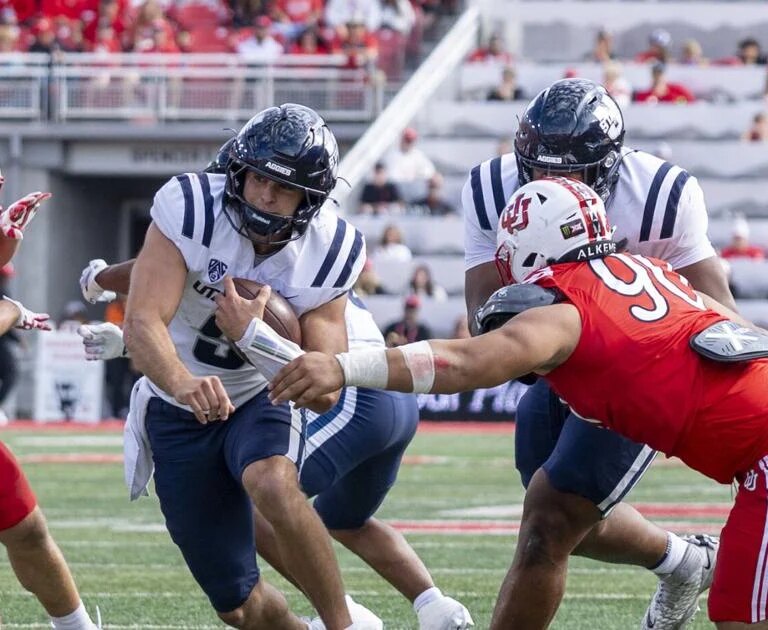
The most noteworthy Utah State football player who has the option for more eligibility is the Aggies’ preseason All-Pac-12 safety (per Phil Steele and Athlon), Brevin Hamblin. He never utilized his redshirt, playing two seasons at Utah Tech before coming to Logan for his junior campaign in 2025. His senior 2026 season will be just his fourth year in college, allowing him to take advantage of the free fifth year.
Almost no other players in Utah State’s current projected two-deep roster are going to receive an otherwise unexpected fifth season. Virtually all who will are comprised of those who didn’t redshirt with USU this past season, such as linebacker Chris Joe, running back Noah White and defensive back Charger Doty.
Karson Templin
The reigning Mountain West Sixth Man of the Year, and Utah State’s most important returning player for men’s basketball aside from Falslev, will be the recipient of an extra season. He’s shown great loyalty to Utah State in the face of significant external interest each transfer portal season. Should that loyalty hold, the Aggies could have another electric year from the energetic big man.
Templin is not actually that unique in this regard; he’s just the most well-known name among Aggie faithful to receive this benefit. It’s actually quicker to list the players on the men’s basketball team who won’t get a free season. Falslev has already been mentioned. Aside from him, it’s just Brayden Boe and Kingston Tosi, who each just used a redshirt season in 2025-26, plus Connor Turnbull, who is already getting a fifth year thanks to a medical redshirt. Every other player on USU’s roster will get a free fifth year.
Summer Diamond
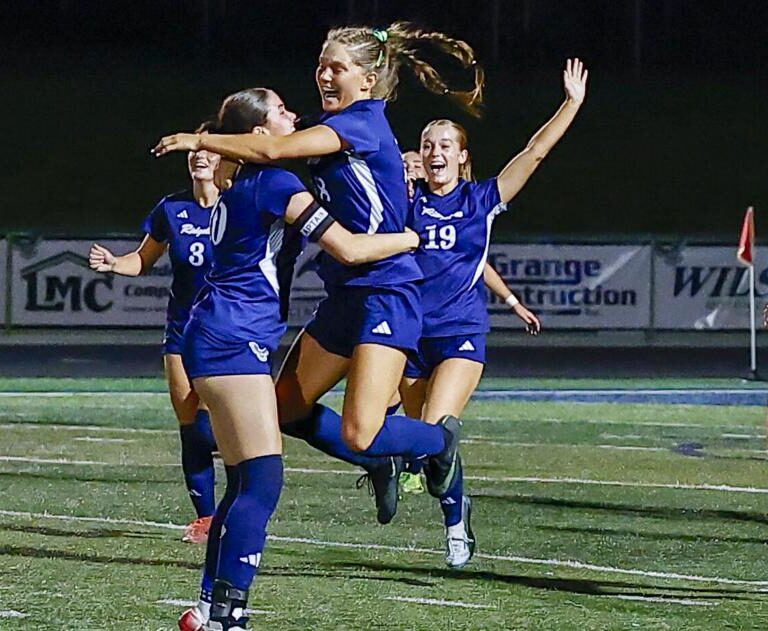
While several of her graduated teammates will not get the same benefit, Summer Diamond, a former All-MW and All-MW Newcomer midfielder, has a chance for an extra season. She is entering her senior year with career totals of 13 goals and seven assists in 68 total appearances.
Diamond is one of two seniors who are getting the free fifth year, the other being goalkeeper Allee Grashoff. Fellow seniors Kate Christian, Solena Sellers and Kasie Vigil should also each have access to a fifth season, but each of them sat out most or all of 2025 with injuries and thus could very likely have received another season via an injury waiver.
And, much like with men’s basketball, a host of younger players on the soccer roster will have a fifth year available, as redshirting is not as common for USU players under Manny Martins as it can be in sports like football or basketball.