Two weeks after attempting to bring the hammer down on NIL collectives, the College Sports Commission is walking back guidelines it laid out in a memo earlier this month. Good news for the Blue A Collective, which has been the primary way for Utah State athletes to receive NIL for the past two years.
On July 10, the College Sports Commission sent out a memo to FBS universities clarifying its criteria for approving or denying NIL contracts. NIL Go, the clearinghouse established by the House settlement, has been tasked with vetting all NIL deals for collegiate athletes in the NCAA. The purpose of NIL Go has essentially been to remove pay-for-play deals that did not meet the spirit of what an NIL has typically been in history (such as in professional sports).
In its attempts to reign in pay-for-play NIL deals, NIL Go had denied a significant number of submitted deals, including a vast majority of any contracts where they payor was an NIL collective. In the memo, the CSC effectively stated that collectives did not meet one of the three criteria, that of the NIL deal having a “valid business purpose.” According to the CSC, “An entity with a business purpose of providing payments or benefits to student-athletes or institutions, rather than providing goods or services to the general public for profit” — i.e. an NIL collective — “does not satisfy the valid business purpose requirement.” This interpretation effectively meant that collectives could not make deals with athletes.
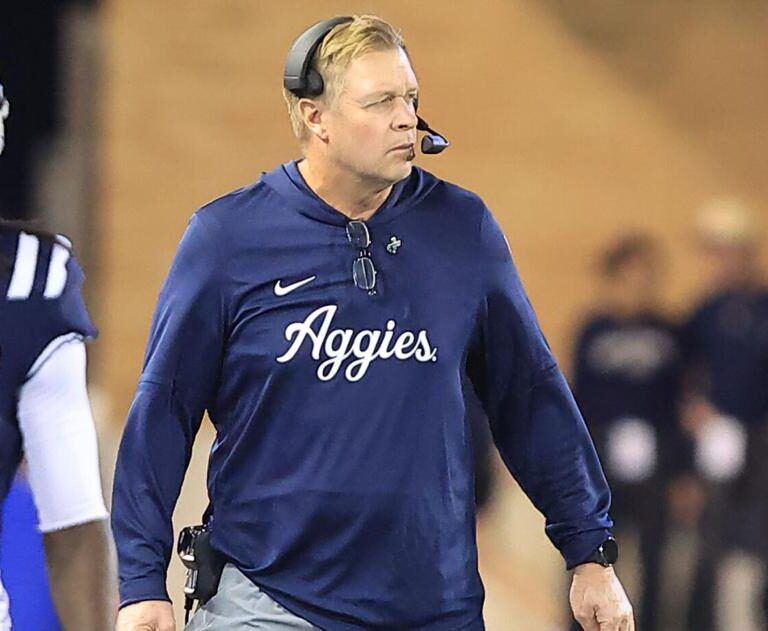
This clarification memo from the CSC was poised to throw a wrench into the plans of Blue A Collective, among many other collectives around the nation. Dalton Forsythe, the director of the Blue A Collective, Utah State is going down the path of continuing to pay its athletes through NIL rather than through the revenue sharing that is now allowed post-House. That made the initial enforcement a significant roadblock for getting NIL funds to Aggie athletes.
Forsythe posted a thread on X the same day the memo was released, criticizing the CSC for its implementation of NIL Go. He showed an example of a contract for an unnamed USU athlete and how it wasn’t a pay-for-play contract, but had still been rejected by the CSC.
Now, per a report from Ross Dellenger, this potentially problematic mode of enforcement is expected to be short-lived. Dellenger reported that the attorneys for the House plaintiffs made an agreement with the CSC to treat NIL collectives in the same way as it would any normal business entity when analyzing an NIL contract for potential approval. The House attorneys had threatened to take legal action, including going to judge Nathaniel Cousins who has been appointed to preside over legal disputes regarding the House settlement.
Previously denied contracts are expected to be revisited and approved if they fit within the revised interpretation of the criteria. This would open up the doors once again for Utah State to pay its athletes as it works to remain competitive in the evolving collegiate athletics landscape.